Ocean Liner Memorabilia for Sale
Where the menus, china and postcards of the great ships end up.
Get Free Cruise QuotesOcean Liner Memorabilia for Sale: Where It Turns Up
Ocean liner memorabilia for sale appears in more places than most people expect, because millions of passengers took home menus, postcards and programs, and their families eventually clear them out. The trick is knowing where to look and what to check before you pay.
| Source | Typical finds | Watch for |
|---|---|---|
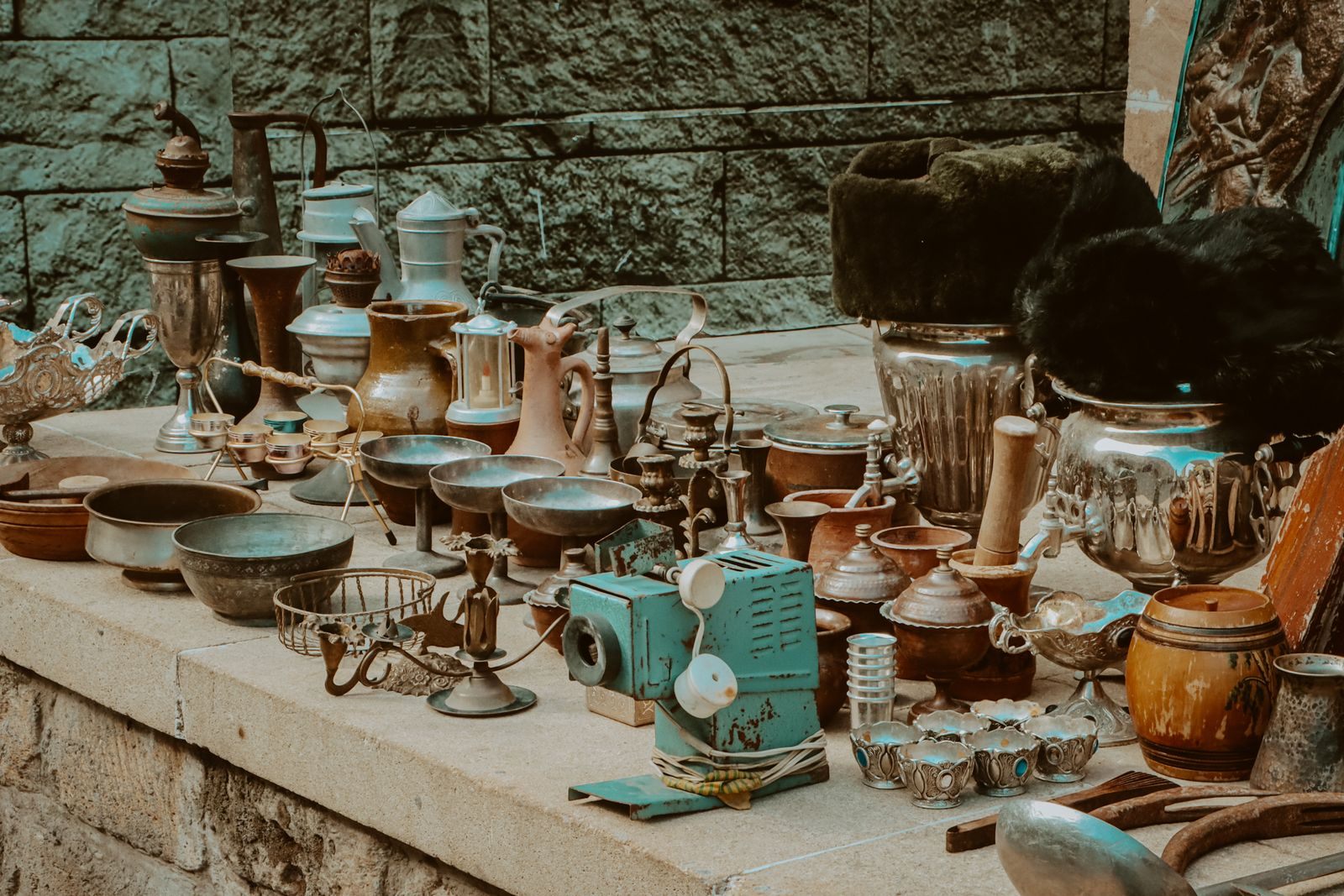
| Flea markets and antique malls | Postcards, brochures, luggage labels, odd pieces of china | Reproductions mixed with originals; ask before you assume |
| Estate and house-clearance sales | A family’s travel papers, photos, souvenirs from one voyage | Whole lots can be bargains; check condition |
| Online marketplaces | Everything, from postcards to furniture | Photos that hide damage; vague descriptions |
| Specialist maritime dealers | Graded paper, documented china, models, posters | Higher asking prices, but knowledge and guarantees |
| Collectors’ fairs and societies | Trades among enthusiasts, research help | Membership is often the best education |
| Auction houses | Rare and high-value pieces | See our auction guide |
What to Check Before You Buy
- The ship and the date. A menu or passenger list that names both is far more useful than an undated card.
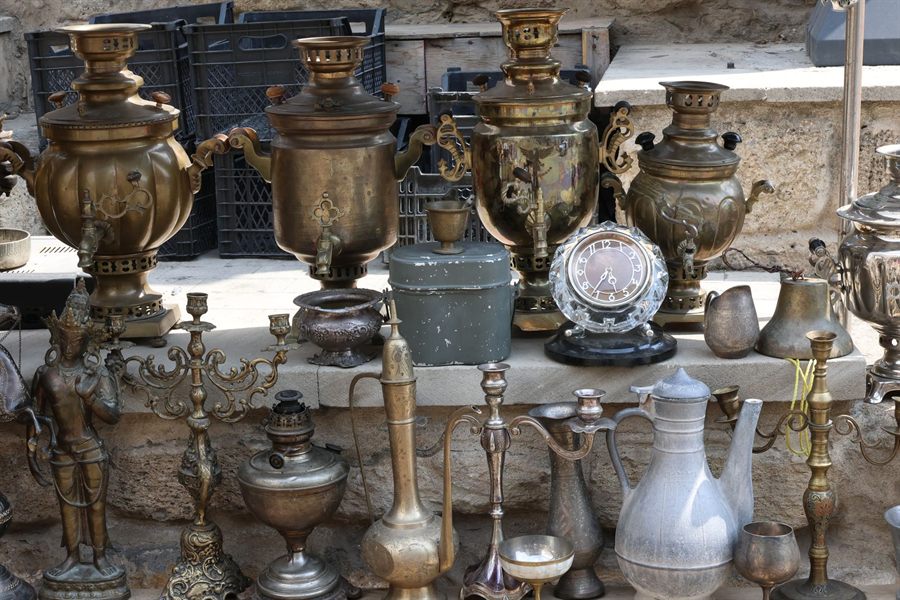
- Backstamps and marks. On china and silver, look for the maker and the line’s name or crest on the underside.
- Condition. Tears, stains, tape, chips and fading all matter; paper that has been trimmed or laminated loses most of its interest.
- Provenance. Any letter, ticket or photo that links the piece to a real voyage adds to its story.
- Too good to be true. Famous names are the most often faked; see our fakes and care page.
Starting a Collection on a Budget
Pick a theme and stay with it: one line, one ship, one route, or one type of item such as menus or luggage labels. A focused collection is more interesting than a random one, and it trains your eye faster. Keep a simple record of what you bought, where and why. Paper from the cruise lines of the 1970s and 1980s is still widely available and a good way to learn without spending much.
If you are selling rather than buying, the same rules apply in reverse: describe the ship, date and condition honestly, and photograph the marks. If what you want to sell is a cruise booking rather than a souvenir, that is a different matter entirely; our sister site Cruise Classifieds explains how name changes and transfers work.
Buying Memorabilia: Questions
Where is ocean liner memorabilia for sale?
In general antique and flea markets, estate and house-clearance sales, online marketplaces, specialist maritime and transport dealers, collectors’ fairs and auction houses with maritime or travel sales. Collectors’ societies sometimes run sales among members.
Should I buy online?
Online marketplaces have a huge range, but you cannot handle the item. Ask for clear photos of backstamps, edges and the reverse of paper items, check the seller’s return policy, and be cautious with anything claimed to come from a famous ship.
Sail on a Ship Worth Remembering
Tell us about the ship or route that started your interest, and our cruise advisors at Mister Cruise will find a voyage that echoes it, with free quotes.
Get Free Cruise Quotes