Spotting Fakes and Caring for Collectibles
Protect your money, then protect the piece.
Get Free Cruise QuotesSpotting Reproductions
Every popular collecting field attracts copies, and maritime material is no exception. Some reproductions were made honestly as gifts or decor and later lost their labels; others are made to deceive. A few habits protect you from both.
| Item | Warning signs |
|---|---|
| China and glass | Backstamps that look printed rather than fired in, crests that are slightly wrong, too-perfect glaze on a piece claimed to be a century old, or a famous name on an unknown maker’s blank. |
| Menus and paper | Bright white modern paper, inkjet dots under a magnifier, sharp folds with no wear, or a menu that names a date the ship was not sailing. |
| Posters | Standard modern sizes, digital printing, and no fold lines on a poster that would have been mailed or stored folded. |
| Fittings | Fresh screws, new wood under old paint, and no paperwork connecting the piece to a ship. |
| Models | Mass-produced decorative models are common and inexpensive; they are not builder’s models. |
Check ship histories against the claim: if a piece is “from” a ship, make sure the ship existed, had that name at the time and carried that class of passenger.
Caring for Paper, China and Metal
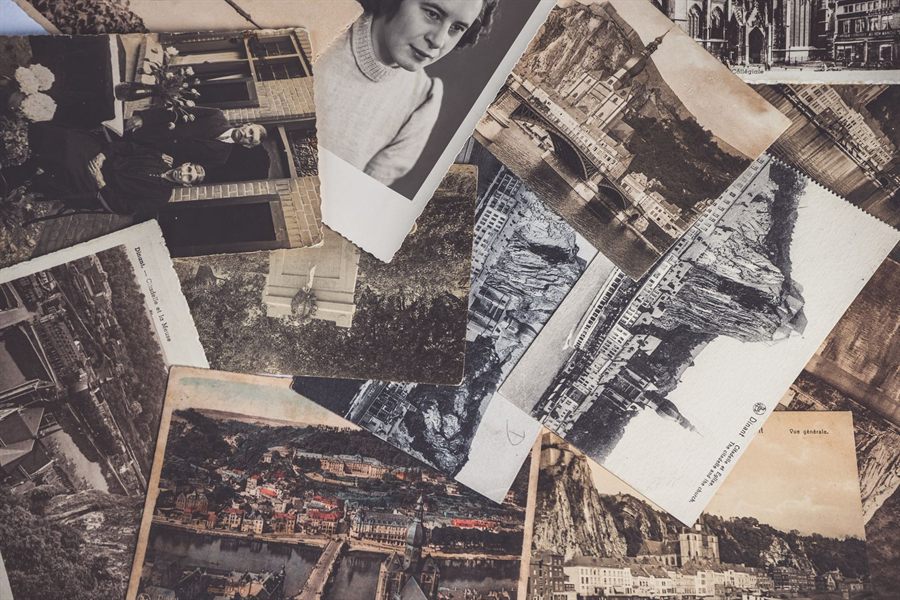
- Paper: store flat in acid-free folders and boxes, away from sunlight, damp and heat. Never laminate or tape.
- Framing: use acid-free mounts and UV-filtering glass, and hang away from direct sun.
- China: hand wash gently or not at all; dishwashers can fade gilding and decals.
- Silver plate and brass: over-polishing removes plating and marks; ask a conservator before cleaning anything valuable.
- Records: photograph each item and keep notes on its source for insurance and for whoever inherits it.
Displaying a Collection
A menu next to a photo of the dining room it came from, or a luggage label with the ship’s deck plan, tells a story that a single item cannot. Grouping by ship or by voyage turns a shelf of souvenirs into a small exhibition. For inspiration, look at how maritime museums and the Queen Mary in Long Beach display their pieces. Our memorabilia overview lists the main categories if you are deciding where to focus next.
Researching a Piece
Every item has a story, and research is half the fun. Start with the ship: when she was built, which line operated her, what names she carried and when she was retired. Published ship histories, line histories and passenger-list archives can confirm whether a date or route on a menu makes sense. Maritime museums and collectors’ societies often help members identify china patterns, backstamps and printers. Keep notes and copies of what you find with the item. A well-documented piece is easier to insure, easier to sell one day, and far more interesting to the next owner. If you are planning to sail on a ship with a long history, reading up before you go makes the voyage richer too; World Cruise News follows today’s long voyages.
Make Your Own Maritime History
Tell us the kind of voyage you would like to keep a menu from. Our cruise advisors at Mister Cruise will find a voyage worth saving the menu from and quote it for free.
Get Free Cruise Quotes